CrossFit & The Achilles
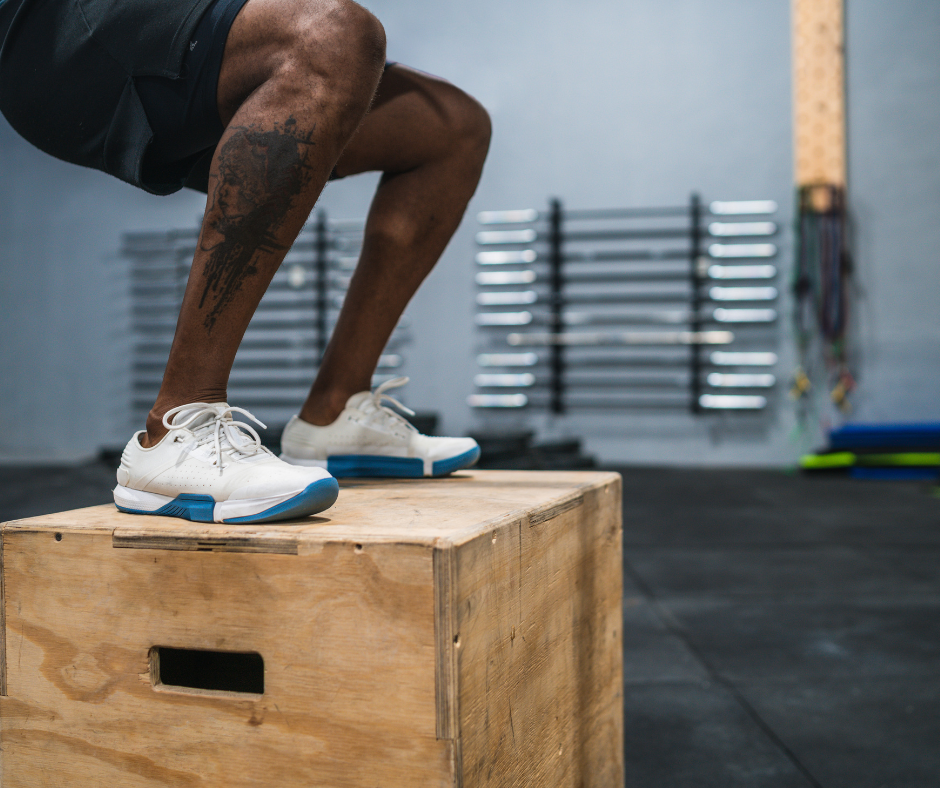
Why Box Jumps are a Risky Move for the 40+ Athlete
CrossFit and HIIT (High-Intensity Interval Training) have revolutionized fitness, building explosive power and community. But for the “Weekend Warrior” or the athlete over 40, one specific move strikes fear into the hearts of podiatrists:
The Box Jump.
We see more Achilles ruptures from this single exercise than almost any other gym activity. For this blog post, Foot & Ankle Associates of Cleveland will explain why that’s the case (and how you can avoid getting hurt!).
The Physics of the Pop
The Achilles tendon is the thickest, strongest tendon in the body, but it has a vulnerability: poor blood supply. As we age, that blood supply decreases further, making the tendon stiffer and less resilient.
- The Demand: A box jump requires a massive, explosive contraction to launch. But the real danger lies in the landing.
- The Eccentric Load: When you land, your tendon stretches rapidly under high load to absorb the shock.
- The “Rebound” Risk: Many athletes try to cycle box jumps by quickly jumping down and immediately springing back up.
- This rapid “stretch-shortening cycle” puts extreme torque on the tendon.
- For athletes with tight calves or previous tendonitis, this is often the moment the Achilles snaps.
The “Step Down” Rule
You don’t have to quit your gym, but you should modify your technique to match your physiology.
- Jump Up, Step Down: The most dangerous part of the box jump isn’t the jump up; it’s the landing when you jump back down. The impact force is massive.
- The Fix: Jump up onto the box, stand tall, and then step down one foot at a time.
- This eliminates the eccentric shock on the tendon while still giving you theexplosive trainingbenefit ofthe upward jump. It might be slower, but it keeps you in the game.
Listen to the Warning Signs
Achilles ruptures often happen without warning (the famous “gunshot” sound), but sometimes there are whispers before the scream:
- Morning stiffness in the heel that walks off after a few minutes.
- A “pinch” sensation when pushing off or going up stairs.
- Soreness that lingers for 2 days after a workout.
If your Achilles is grumbling, swap the jumps for step-ups immediately. A rupture means 6-12 months of rehab. It’s worth the modification.
Call Foot & Ankle Associates of Cleveland in Solon, Ohio, at (440) 903-1041 or contact us online to schedule a consultation. Dr. Craig B. Frey, Dr. Jim Swienconek, and Dr. Courtney Yoder treat patients in Portage, Geauga, Cuyahoga, and Summit Counties, proudly serving Solon, Aurora, Bedford, Chagrin Falls, Hudson, Macedonia, and Twinsburg.